


What TikTok, Retail, AI and DTC Trends Mean for Operators
The old beauty supply chain was simple: make a product, ship it to stores, repeat. Those days are gone. Now, a single TikTok can torch your forecast, retailers expect you to handle DTC-style drops in their stores, and direct-to-consumer is maturing into smarter, leaner models. For operators, this isn’t a news story; it’s the reality you manage every day.
Here’s what’s shifting in 2025, and what it means for beauty brands:
1. TikTok Can Break Your Forecasts Overnight
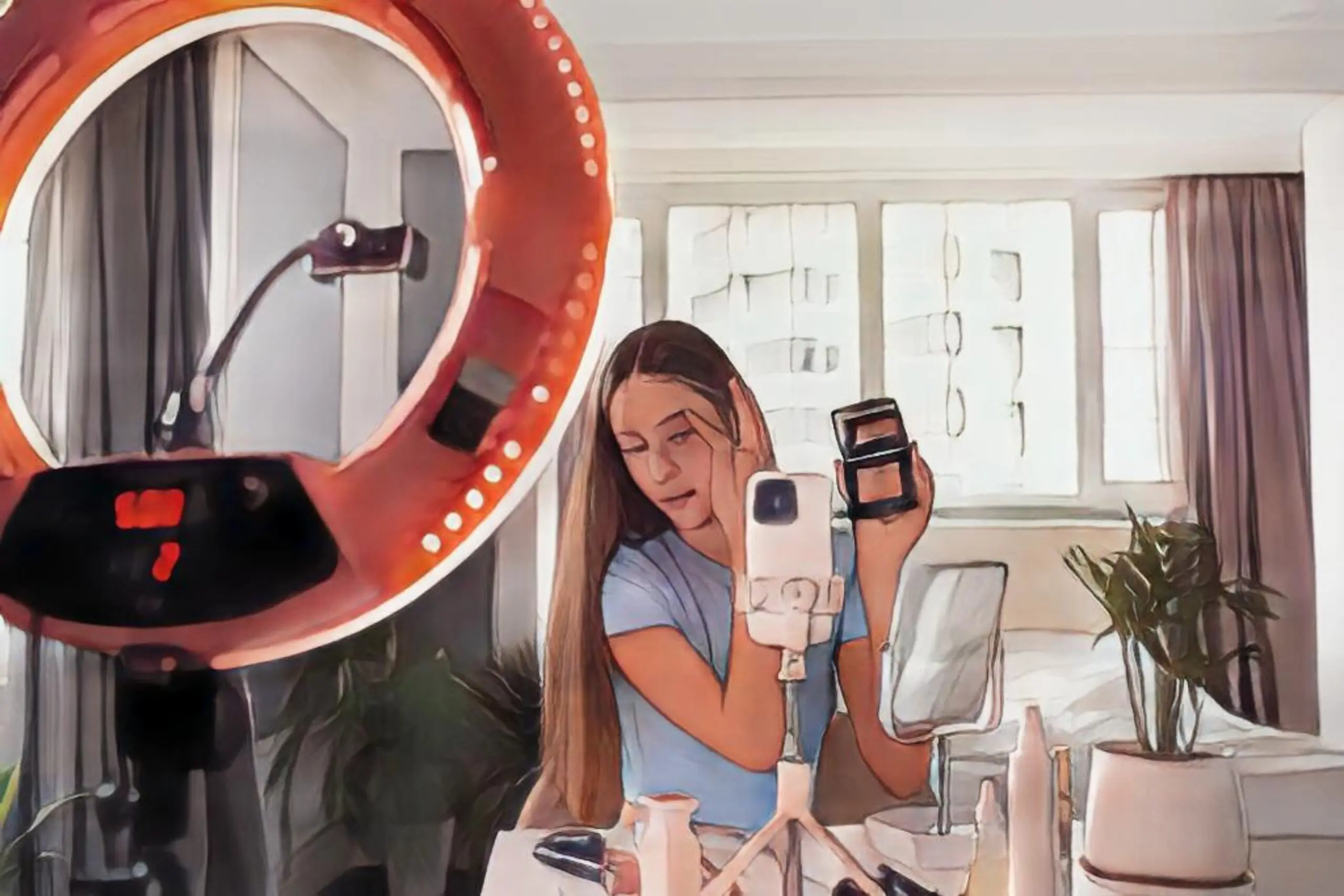
A recent Pew Research Center study found that 62% of U.S. TikTok users say they use the platform to look at product reviews or recommendations, and that jumps to 74% for users under 30. According to Charm.io, the fastest-growing DTC brands in 2025 are those leaning into TikTok Shop and creator partnerships.
When a single viral post can create demand spikes that overwhelm traditional forecasting, managing those surges requires a partner who offers real-time inventory visibility, flexible allocation, and labor capacity that can be scaled up as quickly as demand appears.
2. More Demanding Retail
Instead of slowing down, beauty retail is getting more demanding. McKinsey projects the global market to hit $580 billion by 2027, and a Glossy survey found nearly half of fashion and beauty execs rank consistency across online and offline as their top priority.
Brands need to think about more than just shipping to a retail location. Retailers are pushing exclusive launches, limited-time collections, and campaign-driven drops designed to capture attention across multiple channels. Compliance rules, routing guides, labeling, delivery windows, still apply, but now they collide with faster calendars, influencer-driven campaigns, and consumer expectations for flexibility across retail and DTC.
3. DTC Isn’t Dead. It’s Finding Its Place.
The old “growth at all costs” DTC model where brands would pour money into digital ads and ship everything directly isn’t working the way it used to. Rising acquisition costs have made that playbook unsustainable, which is why more beauty and wellness brands are leaning into retail partnerships with players like Sephora, Ulta, and Target.
But DTC isn’t going away. It’s evolving into a different role. Retail is where many customers discover a brand; DTC is where they come back for replenishment, subscriptions, and ongoing connection. Direct channels remain critical for testing products, telling a brand’s story, and nurturing loyalty over time.
For brands, the challenge isn’t choosing retail or DTC. It’s making sure each channel does what it does best: retail for reach and discovery, DTC for relationship and retention.
4. AI: Everyone’s Talking, Few Are Doing
AI is the buzzword of the year, but in beauty it’s still more talk than action. McKinsey’s State of Beauty 2025 found that only 1 in 10 executives are using AI regularly, while most (about 60%) are still just testing the waters. Right now, experiments live mostly in R&D, social listening, and marketing personalization.
The takeaway is simple: AI may be early, but it’s already raising expectations for how you run your business. Better demand signals, cleaner data, and faster problem-solving will matter long before AI powers the next big campaign. And if your systems aren’t ready, you’ll miss the payoff when adoption finally accelerates.
Fulfillment = Brand Experience
A McKinsey study found that 70% of consumers say delivery experience directly impacts loyalty. That makes fulfillment an essential part of the brand experience. Late shipments, damaged products, or packaging that feels generic can erode trust fast. Done right, fulfillment becomes one of the strongest loyalty levers you have.
The Bottom Line
The beauty and wellness landscape is shifting and accelerating. TikTok can flip demand overnight. Retailers are raising the bar with nonstop launches. DTC is maturing into a smarter role. And AI is on the horizon, waiting for brands with clean ops to put it to work.
At Capacity, we’re built for this. Our fulfillment solutions are designed to help beauty and wellness brands move faster, scale smarter, and deliver better experiences. If you’re seeing shifts in customer behavior or operational challenges you didn’t face a year ago, we’d love to hear about them.
Where are you seeing customer expectations shift most? Let’s talk.