



Beauty and Cosmetics Fulfillment
3PL services for prestige beauty brands scaling across DTC, retail, and wholesale.
Finalist for Best Logistics
BeautyMatter Awards 2025
Capacity is recognized as one of the leading logistics and fulfillment partners for beauty brands, known for accuracy, agility, and high-touch execution.

Trusted 3PL for Leading Cosmetics and Beauty Brands
Serving prestige brands including Rare Beauty, r.e.m. beauty, Jones Road, Colorescience, and OSEA








The Fulfillment Foundation Your Beauty Brand Deserves
Capacity LLC is a 3PL specializing in beauty and cosmetics fulfillment, serving prestige brands including Jones Road, Rare Beauty and r.e.m. beauty across DTC, retail, and wholesale channels. With facilities in New Jersey, Indiana, and California, plus a DOT-SP 21015 hazmat permit for fragrance and aerosol shipping, Capacity handles the operational complexity that beauty brands encounter as they scale into Sephora, Ulta, Target, and Nordstrom.
DTC and Retail Fulfillment for Beauty Brands
We seamlessly handle every order, whether it’s going to a customer’s doorstep or a national retailer’s dock. We make even the most complex multi-channel fulfillment feel simple.
Kitting, Gift Sets, and Value-Added Services
From influencer beauty kits to seasonal bundles and gift sets, we make sure every unboxing becomes a brand moment your customers remember.
Retail Compliance for Ulta, Sephora & More
As consolidators for both Ulta and Sephora, we know what major cosmetics retailers expect. From labeling to routing guides, we make sure your brand meets every requirement, every time.
The Beauty 3PL With Real Ops People You Can Count On
We bring enterprise-level execution without the red tape. With Capacity, you get a serious ops team—and real people who care about your brand as much as you do.

What Is Beauty Fulfillment and Why Does It Require a Specialized 3PL?
Beauty fulfillment is the storage, handling, packing, and shipping of cosmetics, skincare, and fragrance products across all channels. It requires specialized logistics because beauty products introduce complexity that general-purpose fulfillment centers are not built to handle: hazmat-classified fragrances and aerosols, heat-sensitive skincare formulations, fragile glass packaging, high SKU counts across shade ranges and seasonal launches, and strict retail compliance requirements from retailers like Sephora, Ulta, Target, and Nordstrom.

Frequently Asked Questions
Beauty fulfillment is SKU-complex, compliance-heavy, and margin-sensitive. You’re handling lot-controlled inventory for recalls and expirations (picked first-expired-first-out), fragile components like glass bottles and pumps, and formulations that can melt, leak, or separate. Many products are regulated: fragrance and aerosols ship as dangerous goods with carrier restrictions and certified handling requirements.
The channel mix is also broader and more demanding than most categories. A beauty brand might simultaneously run DTC, Amazon, TikTok Shop, PR and influencer programs, and retail accounts with Sephora and Ulta, retailers with some of the strictest routing guides and chargeback policies in the industry. Each channel has its own prep, labeling, and timing rules, and demand can spike overnight when a product goes viral.
Returns are different too: most items can’t be restocked due to hygiene standards, so reverse logistics must be tightly controlled to avoid margin erosion.
Compare that to apparel, where complexity lives mostly in size and color variations, returns are restockable, and almost nothing is regulated. The two categories demand fundamentally different infrastructure, which is why specialist 3PLs exist.
For most beauty products, temperature handling comes down to two things: controlled storage conditions and transit timing. Cold chain shipping with gel packs is rare in cosmetics and skincare; most formulations are stability-tested to handle normal shipping conditions. The real risk is prolonged exposure, like inventory sitting in a hot zone of a warehouse through August or a package spending a weekend in a trailer.
Approaches vary. Capacity manages temperature through facility selection, placement, and monitoring: temperature-sensitive brands are matched to the right facility in our network, positioned away from dock doors, in lower rack positions and interior zones where temperatures stay most stable. Continuous monitoring tracks those storage areas, and when readings run unusually high, our warehouse teams deploy temporary cooling measures to hold products at appropriate temperatures until conditions normalize.
In transit, ship-method rules reduce exposure time: faster service levels to hot regions during summer months, or holding a Friday shipment that would otherwise sit until Monday.
Products that genuinely can’t tolerate heat get SKU-level handling rules defined during onboarding, including insulated pack-outs or gel packs for the rare products that need them, instead of generic “temp control” applied across the catalog.
‘Beauty-first’ warehouse design means a layout built around fragility, variability, and presentation as much as throughput. Common features include:
- Pick areas designed for small, high-SKU-count products like cosmetics and serums
- Dedicated, compliant hazmat zones for aerosols and fragrance
- Kitting stations located near picking areas so bundles are handled fewer times
- Pack stations stocked with varied protective materials (custom inserts, different box strengths) to protect glass and preserve the unboxing experience
- Quality checks on labeling, batch and lot accuracy, and product condition before orders ship
Pack-out quality stays consistent when it’s documented and audited. The brand’s pack-out gets captured as a written spec during onboarding: packing materials, protective inserts, placement of marketing inserts and gift messaging, what the box should look like when the customer opens it. Packers work from that spec rather than from memory or judgment calls at the station.
At Capacity, every unit is scanned at pick and again at pack, package weights are verified to catch missing or extra items, and orders are pulled for random quality audits. Kitting and assembly run in-house, so quality control for PR boxes and bundles stays under our management instead of a subcontractor’s. When an error does occur, it’s tracked by type, so the fix targets the actual cause.
Retail adds compliance and timing pressure. Typically, beauty brands doing retail need the following fulfillment capabilities:
- EDI (850/855/856/810) with major retailers
- Routing guide adherence (labeling, pallet configurations, appointment scheduling)
- Ticketing & labeling (UPC/EAN, retailer-specific labels)
- Floor-ready prep (case packs, inner packs, shelf displays)
- Marketplace and social commerce support (Amazon, TikTok Shop): channel-specific labeling, strict shipping SLAs, and capacity for viral demand spikes
- OTIF performance (on-time, in-full) with penalties for misses
- Chargeback management with root-cause reporting. (Learn more about Capacity’s retail consolidation programs.)
Kitting is treated as light manufacturing with version control. Each kit has a bill of materials (BOM) and assembly standard operating procedure (SOP), often with multiple variants (shade assortments, campaign-specific inserts). Work is typically planned in waves to align labor with launch dates. Quality control checks for count, placement, and presentation. Inventory is pre-allocated to kits to prevent stockouts mid-assembly. For influencer/PR, fulfillment needs to focus on hygiene (no returns to stock), tight deadlines, and serial/lot traceability for anything regulated.
Capacity runs kitting in-house, with dedicated assembly space in every warehouse, so a large PR build doesn’t compete with daily DTC orders for the same labor.
Beauty brands should look for the following characteristics in prospective 3PLs:
- Category experience with proof. References from other skincare, cosmetics, and/or fragrance brands. Data on damage rates, return rates, and on-time in-full (OTIF) metrics.
- Lot/expiry control. First expired first out (FEFO) picking, fast recall readiness (hours, not days).
- Hazmat competence. Certified handling for aerosols/fragrance and documented carrier strategies. (Learn more about Capacity’s approach to hazmat.)
- Pack-out discipline. Documented SOPs, training cadence, and QA data by error type.
- Retail readiness. EDI in production, not “on the roadmap.” Demonstrated chargeback performance.
- Kitting at scale. Ability to run large PR builds without disrupting daily DTC SLAs.
- Systems integration. Stable OMS/WMS with real-time inventory, order status, and exception reporting via APIs.
Ideas & Insights
-
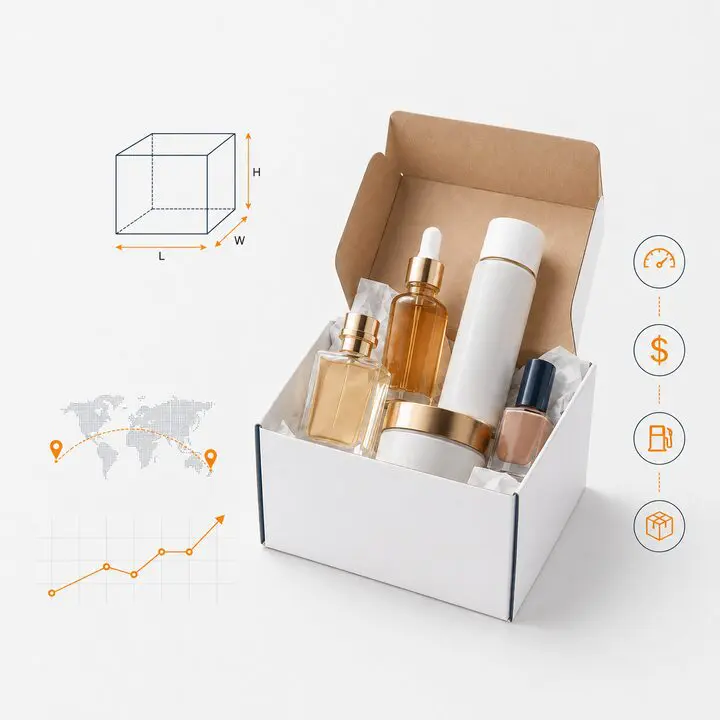
What Drives Shipping Costs for Ecommerce Beauty Brands (And What You Can Do About It)
Read More: What Drives Shipping Costs for Ecommerce Beauty Brands (And What You Can Do About It)Summary Shipping costs for ecommerce beauty brands are shaped by a combination of factors including package weight and dimensions,…
-
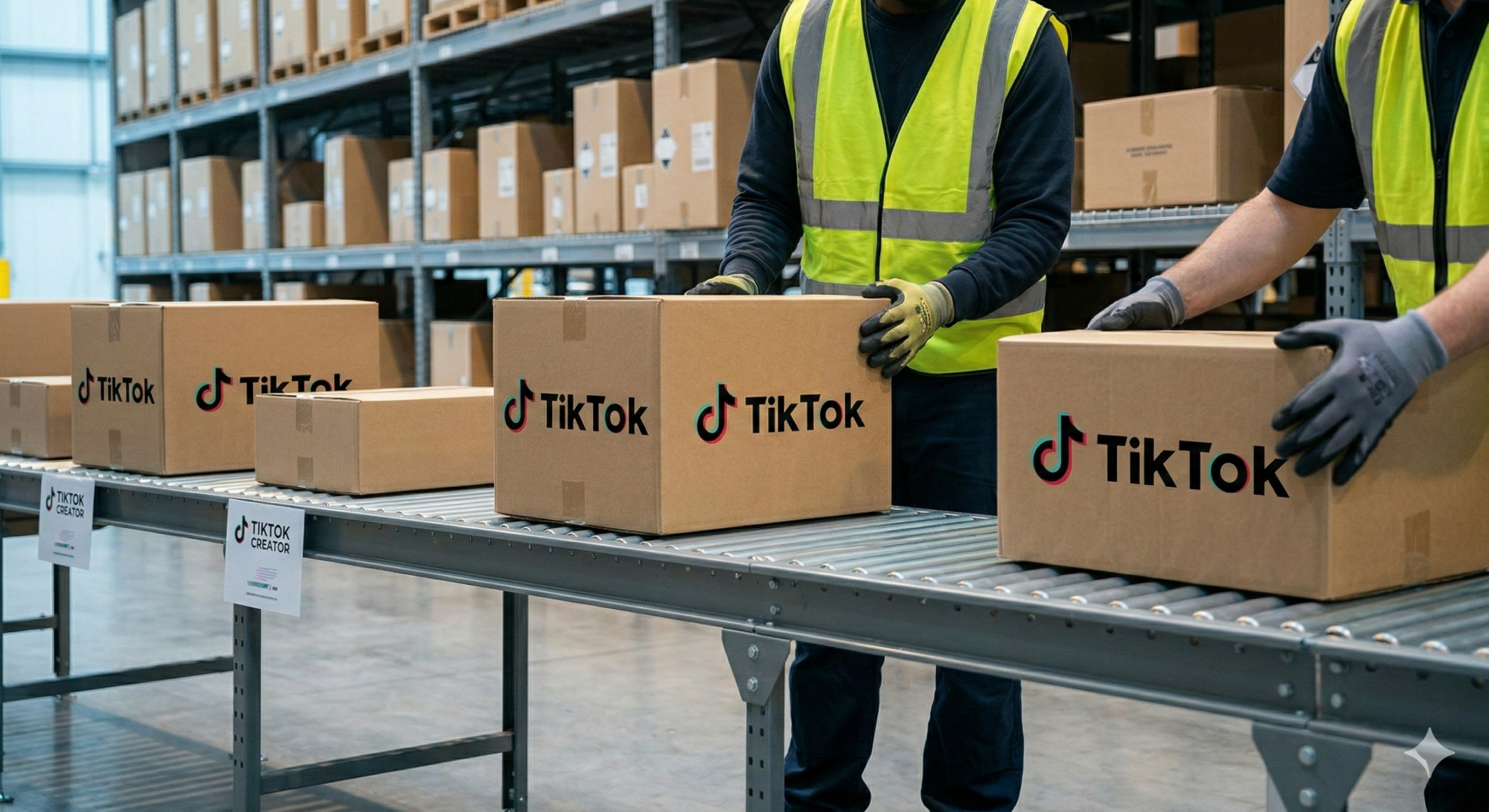
What Beauty Brands Need to Know about TikTok Shop Fulfillment
Read More: What Beauty Brands Need to Know about TikTok Shop FulfillmentTikTok Shop has become one of the most important sales channels in beauty. The platform generated $15.1 billion in…
-
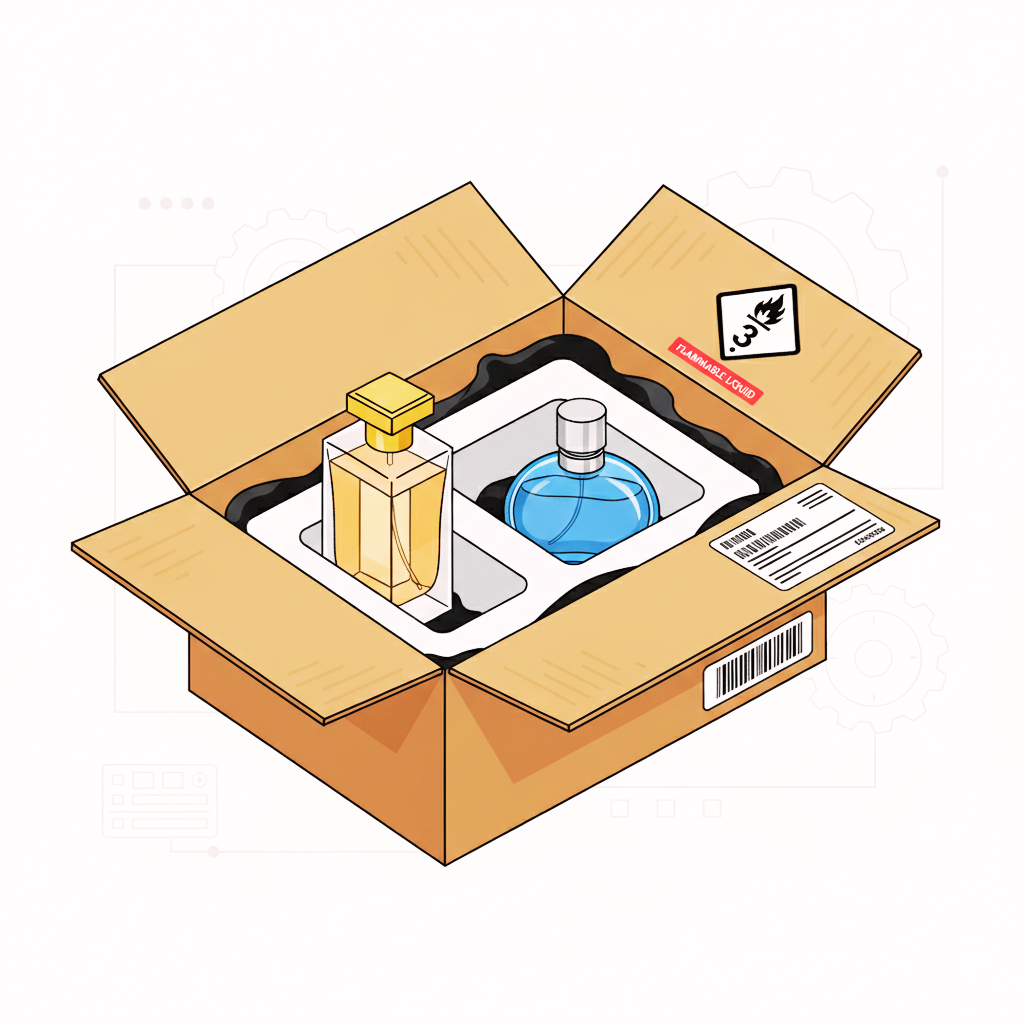
How Capacity Is Reducing Hazmat Complexity and Cost for Fragrance and Beauty Brands
Read More: How Capacity Is Reducing Hazmat Complexity and Cost for Fragrance and Beauty BrandsBrands that ship fragrances, aerosols, cosmetics or certain skincare formulas already know that hazmat compliance is a headache. It…
Less firefighting. More momentum.
Book your strategy call now. Let’s go!