

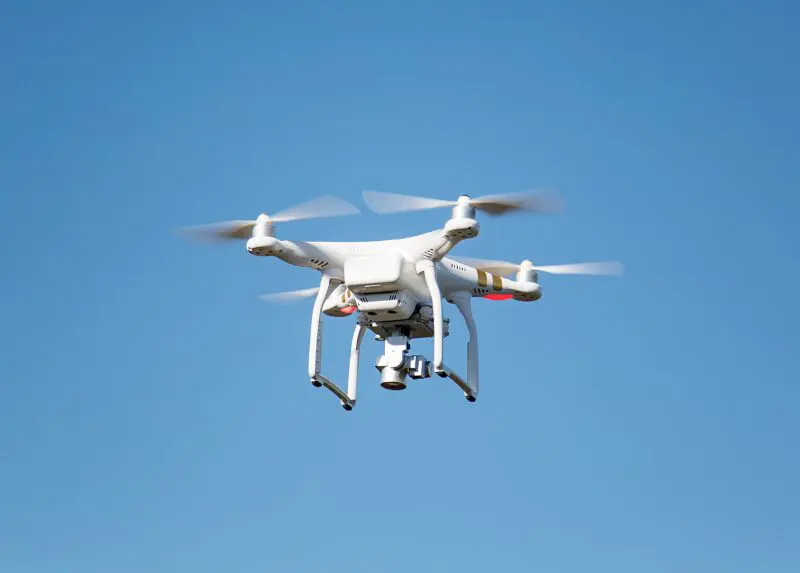


Talk of drones buzzing overhead to drop packages at your doorstep once felt like science fiction. That changed in December 2013 when Amazon CEO Jeff Bezos appeared on 60 Minutes, boldly predicting that Prime Air drone delivery would be operational within five years, a promise that captured global imagination and sparked industry-wide investment.
That five-year timeline came and went without the widespread rollout Bezos predicted. While multiple companies have launched drone delivery programs, they remain geographically limited and operationally constrained. Amazon’s Prime Air operates only in College Station, Texas and Phoenix, Arizona. Walmart has been more aggressive, completing 150,000+ deliveries since 2021 and expanding to five states through partnerships with Wing and Zipline, but even their “largest drone delivery expansion” covers just 100 stores. Today, more than a decade after that pivotal 60 Minutes interview, drone delivery exists as a niche service rather than the transformation once promised.
The reality? While everyone waits for flying robots, practical improvements are happening right now. We follow these developments, not just because we love shiny new tech (although we do), but because our job is separating what’s practical from what’s just hype. Here’s what’s on our radar.
1. Regional Carriers Find Their Niche
Why this matters: Real cost savings you can implement now.
Status: Ready now
What to ask your 3PL: “Are we using regional carriers for zones where they’re faster and cheaper?”
While UPS, FedEx, and USPS dominate package delivery, a handful of regional carriers are proving there’s room for focused alternatives. These regional specialists have built networks that deliver packages 1-2 days faster than national carriers in their coverage areas, often at lower costs.
The regional advantage comes from focus—these carriers specialize in e-commerce delivery within specific zones rather than trying to serve everywhere. OnTrac covers 35 states and reaches 70% of the US population, while LSO dominates the Southwest with significant cost savings compared to national alternatives.
Whether regional carriers can maintain their edge as they grow, or if the Big Three will adapt to compete more effectively, remains to be seen. For now, they represent a viable option for businesses willing to work with multiple carrier relationships.
2. Delivery Robots Move Beyond Campus Food Runs
Why this matters: Proven economics in controlled environments.
Status: Too niche/early
Worth a conversation? Only if you ship heavily to college campuses or specific suburban areas.
Autonomous sidewalk robots may have seemed gimmicky a few years ago, but they’ve quietly achieved something important: consistent profitability. Starship Technologies has completed over 8 million deliveries across university campuses and suburban neighborhoods, proving the technology works reliably.
The economics make sense in the right situations. Delivery costs as low as $0.40 per trip compared to $2+ for human couriers. While current deployments focus heavily on food delivery, the proven reliability suggests these robots could expand into broader package delivery as regulations adapt.
The catch is geography. These robots work well in controlled environments like college campuses and planned communities, but navigating complex urban streets or rural areas remains challenging. Whether they can scale beyond these ideal conditions will determine if robot delivery goes mainstream.
3. The “Uber for Packages” Model Shows Potential
Why this matters: Flexible capacity for peak periods and unusual items.
Status: Situational
What to ask your 3PL: “Do any of our delivery options use crowdsourced networks and, if they do, are there particular concerns we should address?”
What if your packages could be delivered like rideshare passengers—matched with nearby drivers using their own vehicles? That’s essentially what’s happening with crowdsourced delivery networks, though they’re still finding their place.
Roadie, now owned by UPS, has built a network of 200,000+ independent drivers who can deliver everything from small packages to furniture using personal vehicles. Unlike traditional carriers with fixed routes and schedules, these drivers operate on-demand, potentially picking up from fulfillment centers and delivering within hours.
The model shows promise for what traditional carriers struggle with: oversized items, urgent deliveries, and peak season capacity. But widespread adoption faces challenges around reliability, insurance, and integration with existing fulfillment systems.
4. Electric Cargo Bikes Navigate Urban Reality
Why this matters: Speed advantage in congested urban markets.
Limited but growing
Worth a conversation? If you have significant volume in dense urban markets like NYC or Seattle.
Picture this: while delivery vans circle Manhattan blocks hunting for parking, cargo bike couriers zip past in bike lanes and pull up directly to building entrances. This isn’t theoretical. It’s happening in America’s densest urban markets.
Amazon has a 66,000-square-foot distribution center on Manhattan’s West Side specifically for e-bike deliveries, with 1,300+ delivery associates delivering 220,000 packages daily. UPS has been testing cargo bikes in Seattle since 2018, while DHL’s three-wheeled e-cargo cycles work Miami’s downtown carrying 400 pounds of packages each.
For brands shipping in urban markets, cargo bikes mean faster delivery during peak hours when traditional trucks get stuck in traffic. They can reach building entrances and deliver directly to recipients rather than leaving packages unattended.
But What About the Drones?
So where does that leave drone delivery? Recent U.S. proposals to allow beyond-visual-line-of-sight operations could change the game. Currently, drone operators must maintain direct visual contact with their aircraft, which severely limits range and scale. The FAA’s August 2025 proposal would eliminate this restriction, letting companies manage drone fleets across much wider areas.
If the regulatory barriers fall, the economics become compelling. The drone delivery market could grow from hundreds of millions today to billions in the coming years as AI and navigation improve. Whether that actually happens depends on solving not just the technical challenges, but practical ones, like where drones can safely land and how customers will actually use them.
What This Means for Your Business
At Capacity, we cut through the noise to focus on what actually moves the needle for our partners. Regional carriers? We’re already integrating them for cost savings on the routes where they excel. Cargo bikes for urban same-day? We’re helping clients evaluate if this markets make sense. Delivery robots? We’re watching, but we’re not expecting a fleet of them to take to the streets soon.
The drone future everyone’s talking about may happen someday. What’s happening right now are practical improvements that reduce costs and speed up deliveries. We track them, test them, and implement the ones that work, so you don’t have to sort through the hype yourself.
That’s what partnership means: we handle the complexity so you can focus on growth.